
By Muhammad Shakeel · Nov 3, 2026 · 10 min read
7 guest post outreach mistakes that get pitches deleted: mass blasts, zero research, fake flattery, follow-up spam. Fix them and earn links that move your seo.
Most guest post pitches die in seconds. Not after a careful read. After a glance. The editor sees the subject line, skims the first 2 lines, and hits delete. The frustrating part is that the deleted pitches almost all fail for the same small set of reasons, and every one of them is avoidable.
This matters more than it used to. Guest posting done right still earns real links on real sites with real readers. But Google's link spam policy is explicit: creating links primarily to manipulate rankings is spam, and its examples name advertorials and articles with optimized anchor text in guest posts distributed on other sites. Large-scale guest-posting campaigns with keyword-rich anchor text are link spam. A genuine editorial contribution is not. The pitches below fail the editor test long before Google ever gets involved, which is exactly why fixing them is fully in your control.
At Rank Rays, outreach is 100% manual: guest posts, resource links, and niche edits, pitched one by one from a brand email address, because Gmail and Yahoo addresses get ignored. Everything in this post comes from that practice and from what editors publicly say they delete.
1. Sending the same mass-blast pitch to everyone

The mistake is the copy-paste email: one template, 200 recipients, the site name mail-merged in if you are lucky. Editors spot these instantly. The language reads like a sales template, the article idea is vague enough to fit any blog on earth, and there is rarely a specific description of what you would actually write.
Why editors delete it: the pitch answers its own question. If you could not spend 10 minutes writing an email about your article idea, why would an editor spend an hour editing and publishing it? Mass pitches also tend to be self-serving in the worst way: they demand a backlink, bury the reader benefit, and read like a transaction wearing a pitch costume. "Hello Webmaster" as a greeting is the classic tell, and it gets deleted on sight.
What to do instead: write one pitch per site. Open with something specific about the publication, name 2 or 3 concrete article ideas with a one-line reason each is a fit, and keep your own site out of the email until the idea is sold. A pitch that could only have been sent to this one editor is a pitch that gets read.
2. Doing zero research on the target blog
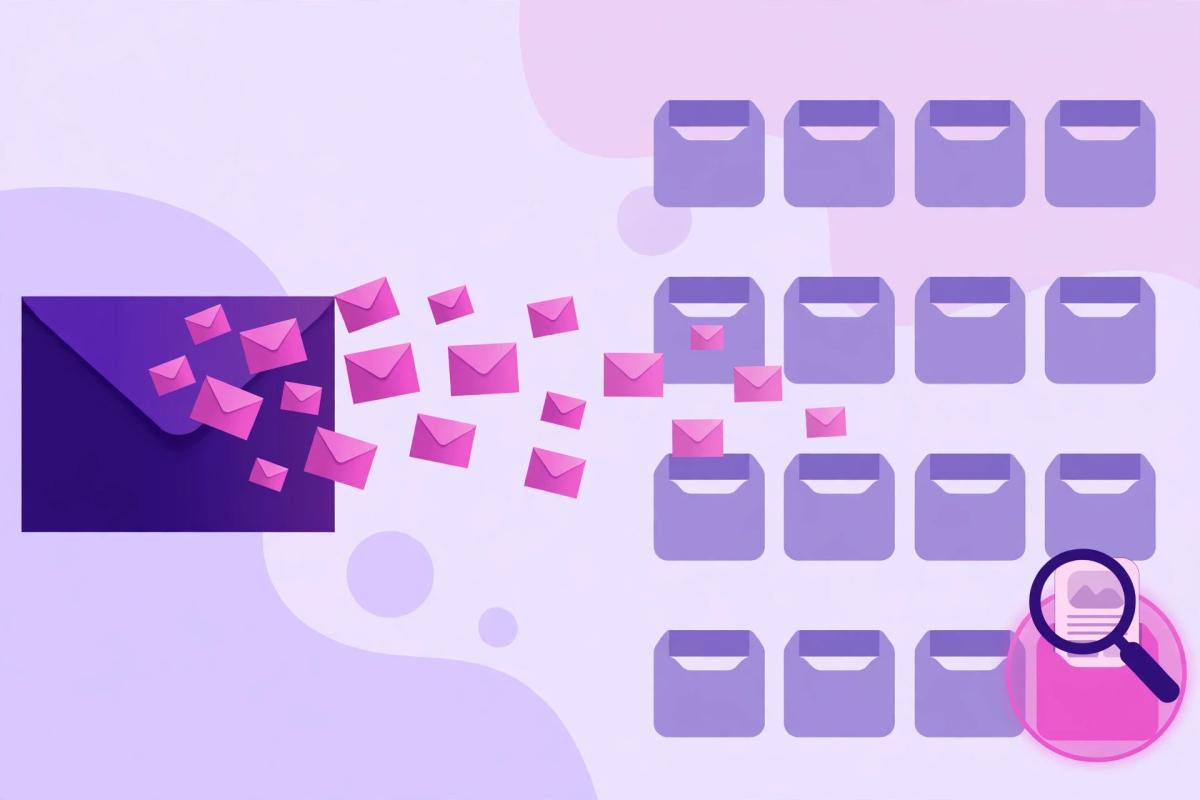
This is the mass-blast's quieter cousin: a personalized-looking email sent to a blog the sender clearly never opened. The fintech blog gets gardening tips. The beginner-focused site gets an advanced technical guide. The pitch ignores who reads the site entirely.
Why editors delete it: a pitch to the wrong audience creates work instead of saving it. The editor has to figure out what you were thinking, and they will not bother. High authority means nothing if the site's readers have nothing to do with your niche. One editor put it plainly: most rejected pitches do not fail because the writer cannot write. They fail because the pitch never answers why the site's readers should care.
What to do instead: read 5 to 10 recent posts before you write a word. Note the audience level, the tone, and the topics that get engagement. Then frame your idea in terms of that audience's problems, not yours. If you cannot explain why this site's readers need this article, you have not done the research yet.
3. Pitching topics the blog already covered
Closely related to mistake 2, and it deserves its own slot because it kills credibility instantly. You pitch "10 link building strategies" to a blog that published "10 link building strategies" 3 months ago. The editor now knows two things: you did not read the site, and your idea adds nothing.
Why editors delete it: a covered topic is a solved problem for that publication. Republishing it, even with a different angle, means competing with their own archive. Editors guard their content gaps carefully; a pitch that duplicates existing content signals a sender who treats every blog as an empty slot.
What to do instead: search the site before you pitch. A quick site: search on your topic shows what exists. If the topic is covered, either find the gap it left (the follow-up question, the updated data, the opposing view) or pick a different topic. Mentioning a related post they already ran, and explaining how yours extends it, turns this mistake into an advantage.
4. Ignoring the posted guest post guidelines

Most blogs that accept guest posts regularly publish a submissions page: word count, formatting, topics they want, topics they ban, how to pitch, where to send it. A large share of pitches ignore every line of it.
Why editors delete it: the guidelines page exists to weed out low-effort pitches. That is its whole purpose. Bloggers are busy people, and they wrote the instructions so contributors can deliver pitches in the format that helps them most. A pitch that ignores the guidelines tells the editor you could not be bothered to read one page. Bloggers do not owe you anything; if they publish your work, they are doing you the favor.
What to do instead: follow the guidelines to the letter. If they want 3 headline ideas, send 3. If they ban listicles, do not pitch one. If they say no follow-ups, do not follow up. Treat the guidelines page as the first test of the pitch, because that is exactly what it is.
5. Fake flattery and wrong names

"I loved your recent post!" Which one? Silence. "Dear Webmaster." Deleted. "Dear Sir/Madam." Deleted faster. Fake flattery is personalization theater: it performs the motions of research without any of the substance, and editors have seen the script a thousand times.
Why editors delete it: on a blog run by one or a few people, the editor's name is everywhere: the sidebar, the about page, the end of every post, the footer. Addressing a pitch to "Webmaster" proves in the first line that you never looked. Generic praise proves the same thing in the second. Both signal that the rest of the email will be equally low-effort.
What to do instead: use the real name, spelled correctly, and either reference something specific or skip the flattery entirely. "Your March post on anchor text diversity changed how I brief writers" works. "I loved your recent post" does not. Specificity is the only flattery that counts, because it is the only kind that proves you read the site.
6. Follow-up spam
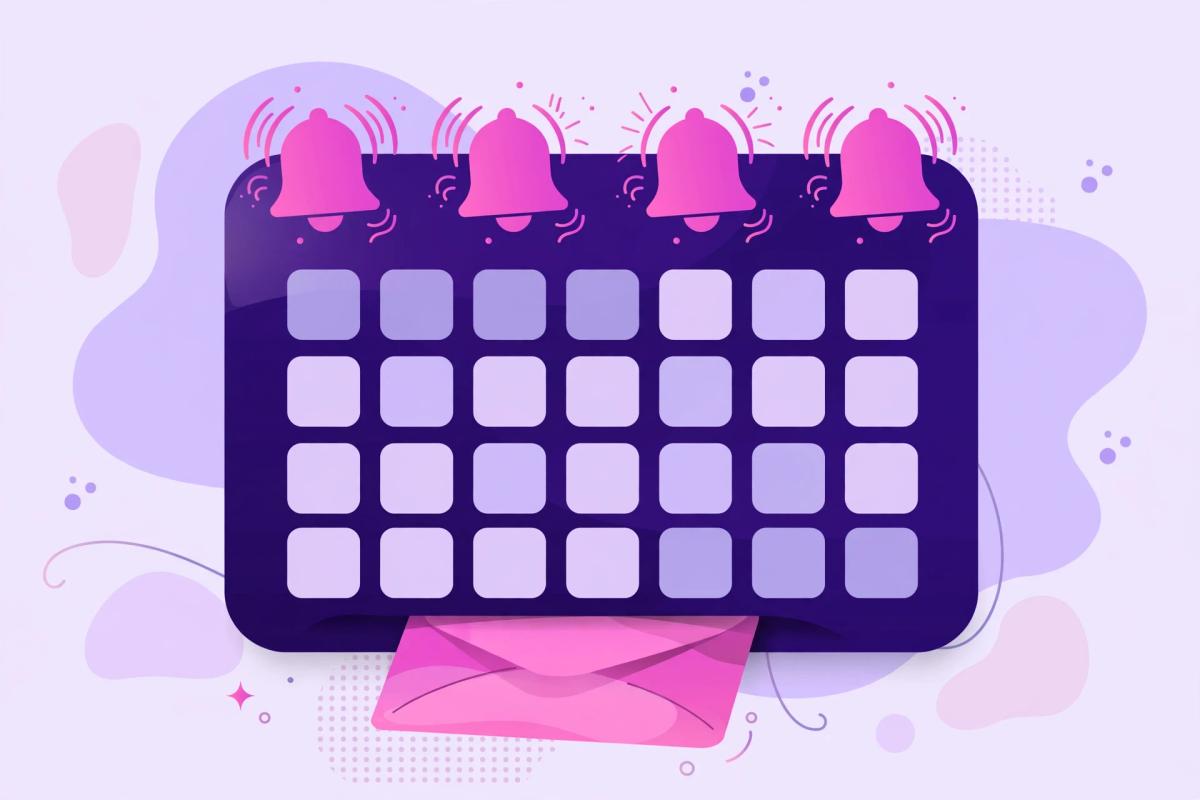
You sent a pitch. No reply in 2 days. You nudge. No reply in 2 more days. You nudge again, this time with an edge. Congratulations: you turned a neutral editor into a hostile one.
Why editors delete it: editors read dozens of pitches a week. Silence usually means "not now" or "no," not "I missed it." Daily nudges do not create urgency; they create annoyance, and an annoyed editor remembers your name for the wrong reasons. The common professional standard is one polite follow-up after about a week. More than once or twice, and you have crossed from persistent into spam.
What to do instead: send one follow-up, roughly a week later, short and gracious. Restate the idea in one line, ask if it is a fit, and leave a clean exit: "No worries if the timing is off." Then move on. A "no" today is not a "no" forever, but only if you left the door open politely.
7. No writing samples or proof you can write
The pitch is polished. The ideas are solid. The editor's question is simple: can this person actually write 1,500 words worth publishing? With no samples, the answer is a guess, and editors do not gamble publishing slots on guesses.
Why editors delete it: everything else in the pitch is a promise; samples are evidence. Two or three links to published work tell the editor your level, your tone, and whether you can finish an article. Without them, even a great idea carries execution risk, and the next pitch in the inbox probably has samples attached.
What to do instead: include 2 or 3 links to your best published pieces, ideally on topics close to the pitch. No published work yet? Publish 2 or 3 strong posts on your own blog or a platform like Medium first, then pitch. A short portfolio page with your best 5 pieces beats a long bio every time. Keep it to links, not attachments; editors do not open unsolicited files.
The comparison table: the mistake and the fix
| The mistake | The fix |
|---|---|
| Same mass-blast pitch to 200 sites | One pitch per site, with 2 or 3 specific article ideas |
| No research on the target blog | Read 5 to 10 recent posts; frame the idea for their audience |
| Pitching an already-covered topic | Site-search the topic first; pitch the gap it left |
| Ignoring the posted guidelines | Follow the submissions page to the letter |
| Fake flattery and "Dear Webmaster" | Real name spelled right; specific references or none |
| Daily follow-up nudges | One polite follow-up after about a week, then move on |
| No writing samples attached | 2 or 3 links to published work, close to the pitch topic |
Frequently asked questions
How many follow-ups are acceptable?
One. Send a single polite follow-up about a week after the pitch, restate the idea in one line, and leave a clean exit. More than once or twice crosses from persistent into spam, and editors remember repeat nudgers for the wrong reasons.
Should I offer to pay for the placement?
Only if you understand what payment changes. When money changes hands, Google's link spam policy requires the link to carry rel="sponsored" or rel="nofollow". A paid placement with a followed link passing ranking credit is link spam under the policy, and it puts both sites at risk. Genuine editorial contributions earn their links without payment.
Do editors really check whether I read their blog?
Yes, and it is the fastest filter they have. Referencing a specific post, and saying why it stuck with you, proves in one line what most pitches never prove. Editors report that this single habit separates the pitches they read from the ones they delete.
What should a pitch actually include?
Five parts: a specific subject line naming the article idea, a personalized opening that references a recent article, one clear article idea, a short statement of the reader benefit, and 2 or 3 writing samples. End with one polite next step. Keep it under 200 words; the pitch sells the idea, not the article.
Is guest posting still worth doing in 2026?
Yes, when it is editorial rather than industrial. Real sites with real readers and real editorial standards still publish guest contributions, and the links earned that way are exactly the kind Google's policy allows. What stopped working is the mass-produced version: templated pitches, thin articles, and keyword-stuffed anchors at scale.
What tools catch outreach mistakes before I hit send?
Three free checks catch most of them. A site: search on Google (site:blog.com your topic) shows whether your topic is already covered. The blog's own submissions page, read once, prevents guideline mistakes. And reading your pitch aloud catches fake flattery, wrong names, and template language in under a minute: errors your eyes skip, your ears catch. Paid email verification tools can confirm addresses are deliverable, but no software replaces 10 minutes of reading the blog. The mistakes on this list are human errors, so the best detection tool is a human re-read.
The bottom line
Every mistake on this list has the same root: the pitch was written for the sender, not the editor. Mass blasts, skipped research, covered topics, ignored guidelines, fake flattery, needy follow-ups, and missing samples all say one thing: this person wants a link and did not want to do the work.
Flip each one and you get the pitch editors accept: researched, specific, guideline-compliant, honest, patient, and proven. That is not a trick or a template. It is the work itself, and it is why manual outreach still beats automation. Anyone can send 200 emails. Few can send 20 good ones.
If you would rather have the 20 good ones sent for you, that is what our outreach services do: 100% manual link building outreach from a brand email address, one editor at a time. Get a free quote and we will start with the sites your customers actually read.
Want this done for your site?
Reading helps, but rankings come from doing. Request a free SEO audit and our team will look at your actual site.