Link Building Services
Our full outreach-based link building pillar, how we earn editorial links, and where multilingual placements fit inside a complete campaign.
Multilingual Backlink Services
If your business serves customers in more than one language, your backlinks should speak those languages too. We earn editorially-placed backlinks from sites publishing in your target languages, through genuine outreach written in your market's language: the local language for non-English targets, English where English is the target.
Why it matters
A multilingual backlink is a link from a website that publishes in a language other than English, a German blog, a Spanish directory, a French news site. For businesses operating across languages and borders, these links are how search engines confirm you're genuinely relevant to the audiences you claim to serve.

A multilingual backlink is a link on a website published in a language other than English. If you serve customers in Germany, a link from a German-language blog about your niche tells search engines your business is recognized by the same audience you're trying to reach, not just the English-speaking web.
Backlinks work because of relevance, and relevance isn't limited to one language. A Spanish-language directory linking to your SaaS product, or a French home-improvement blog linking to your store, connects your site to the topics search engines associate with your niche in that region. Language-specific relevance is what monolingual link profiles lack when they expand abroad.
Links from country-code domains and regional sites are among the clearest signals your business belongs in a market. When your hreflang tags say you serve France but every link comes from English-language sites, the story is inconsistent. Backlinks from French-language domains make your geo-targeting believable, for international and local SEO alike.
We pitch in the language your target market reads: the local language for non-English targets, English where English is the target. Either way, outreach goes out from your brand email on your own domain, using local TLDs where they help response rates, because editors answer a real brand address far more readily than a generic one.
When a placement needs a guest post or contributed article, machine-translated copy betrays you instantly, editors spot awkward phrasing in seconds. Native-quality content, with local idioms and examples, is the difference between a published link and a rejected pitch. It keeps the linking page's audience engaged, which is what makes the link editorial and valuable.
Our process
Multilingual link building is manual, language-by-language work. No tool pitches a Spanish editor convincingly; no shortcut replaces writing in the site's own language. Here's how we do it, step by step.

We start with where your customers actually are: which language versions of your site matter, which countries you're targeting, what your hreflang setup and analytics say. Every link we build should support a market you genuinely serve, never a random scatter of foreign domains.
Next we research sites publishing in each target language, blogs, news outlets, niche publications, directories, and forums. Each prospect is vetted the way we vet every placement: real traffic, real editorial standards, topical fit, clean link profiles. A link is only worth building if the site is worth being associated with.
This is the heart of the work. Every pitch is written in the language of the market it targets, the local language for non-English targets, English for English-speaking ones, personalized to each editor's actual content. Every pitch is sent from your brand email on your own domain, with local TLDs where they improve response rates. No mass blasts, no copy-paste templates.
When a placement needs an article, a resource suggestion, or a quote, everything is prepared in the target language to read naturally for native speakers, local conventions, units, terminology included. Editors publish it because it serves their readers, not because someone paid to have it there.
Every earned link is verified, live URL, correct anchor, proper placement, before it goes into your report. You see exactly which sites link to you, in which languages, and on which pages. From there we keep building: new prospects in each language, deeper authority for the pages that matter most to your international rankings.
Honest guidance
Multilingual links are powerful in the right situation and a waste of budget in the wrong one. Here's how we tell the difference before recommending them.

If your site has German, French, or Spanish versions, translated pages, local pricing, local support, then links from sites in those languages confirm to Google that your presence there is real. The link language should match the audience language; that alignment is the whole point.
Breaking into a new market means earning trust from that market's web, not just translating your homepage. Early placements on respected local sites give your localized pages the authority signals they need while organic traction is still building. This is one of the most effective uses of multilingual outreach.
If you have no translated content and no international targeting, multilingual links answer a question nobody asked. Build core authority in English first, guest posts, editorial links, digital PR, and revisit other languages when the business actually expands. We'll tell you this plainly rather than sell you links you don't need.
Links don't rescue thin content, broken technical foundations, or penalties. If your pages don't satisfy search intent, no backlink profile, in any language, will hold rankings for long. Fix the site first; the audit will tell you honestly which problem is actually first in line.
Technical foundation
Multilingual links don't work in a vacuum; they sit inside an international SEO setup. Hreflang tags, localized pages, and your link profile all tell the same story: which language versions exist, which markets you serve, and whether other sites in those markets actually recognize you. Here's how we keep those signals consistent:

Hreflang tells search engines which language and regional versions of a page exist. If your hreflang says you serve France but every backlink comes from English-language sites, the two signals disagree. Multilingual backlinks close that gap, links from French-language domains corroborate what your hreflang declares, making your geo-targeting believable.
Targeting Spanish (es) is different from targeting Spanish for Mexico (es-mx): one is a language audience, the other is a market. We map your links to the reality of your business, the languages you publish in and the countries you ship to, so the link profile supports the exact targeting your hreflang and analytics describe.
A German-language placement linking to your English homepage wastes half its value. We direct multilingual links to the matching localized page, the German version, the Spanish pricing page, so the link, the anchor, and the destination all speak the same language. Your localized pages need to exist first; links follow content, not the other way around.
How you structure international URLs (country domains, subdirectories, subdomains) shapes how search engines read your geo-targeting. Country-code domains carry strong local signals; subdirectories lean harder on hreflang and links. We factor your URL structure into prospecting, because a .de domain and a /de/ folder ask for slightly different link support.
Anchor text should read naturally in the language of the linking page, a German article linking with a German phrase, not a pasted English keyword. We keep anchors editorial and natural, matched to the destination page's topic, because forced exact-match anchors look manufactured in any language.
Why Rank Rays
Multilingual backlinks are a stated specialty of our agency, not an upsell bolted onto an English-only service. Here's what that means in practice.

Our founder, Muhammad Shakeel, has done SEO since 2013. 2200+ websites worked on and 95% client satisfaction. Multilingual link building is a stated specialty of the agency, built on the same manual outreach behind 2200+ websites worked on.
Our 10+ member specialist team covers every part of the process. Muhammad Umar on research and link building, Faisal Mahmood on outreach, Muhammad Razaq on AI content, Ahmar Naz on content, and Tahir Islam on research. Every multilingual campaign is handled by people who do this work daily.
We build guest posts, niche edits, resource links, and foundational backlinks in your target languages, and pursue authority targets measured by Ahrefs DR 70+, Moz DA 50+, and Majestic TF/CF. Every link is earned through genuine editorial outreach, the kind editors in any language say yes to.
Based in Lahore, Pakistan, with a UK office, serving clients worldwide at a transparent £20 per hour, or through monthly Silver (£800), Gold (£1,500), and Diamond (£2,500) plans. We report every link with its live URL: no invented placements, no rented links dressed up as earned ones.
Country pages
Fixed packages with local-language outreach, built country by country. Each page covers one market in depth.
Showing 23 of 23 countries
Keep exploring
Multilingual backlinks work best inside a broader authority strategy. These services pair naturally with international link building.
Our full outreach-based link building pillar, how we earn editorial links, and where multilingual placements fit inside a complete campaign.
Native-quality guest posts are the backbone of multilingual placements, see how we publish contributed content on real niche sites.
Links earned because editors chose to include them, our multilingual work holds the same editorial standard in every language.
Straight answers to the questions we hear most about earning backlinks in other languages.
Case studies
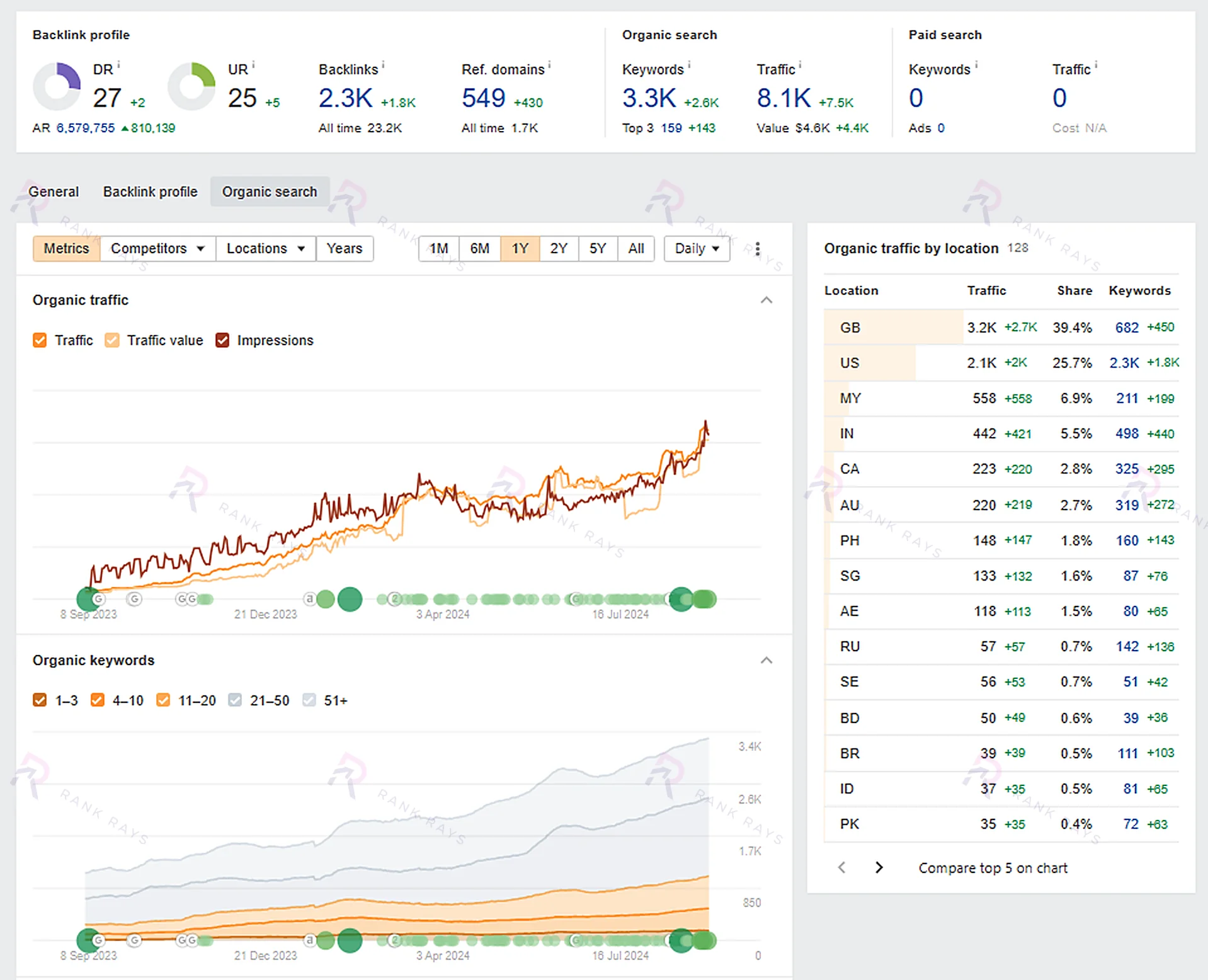
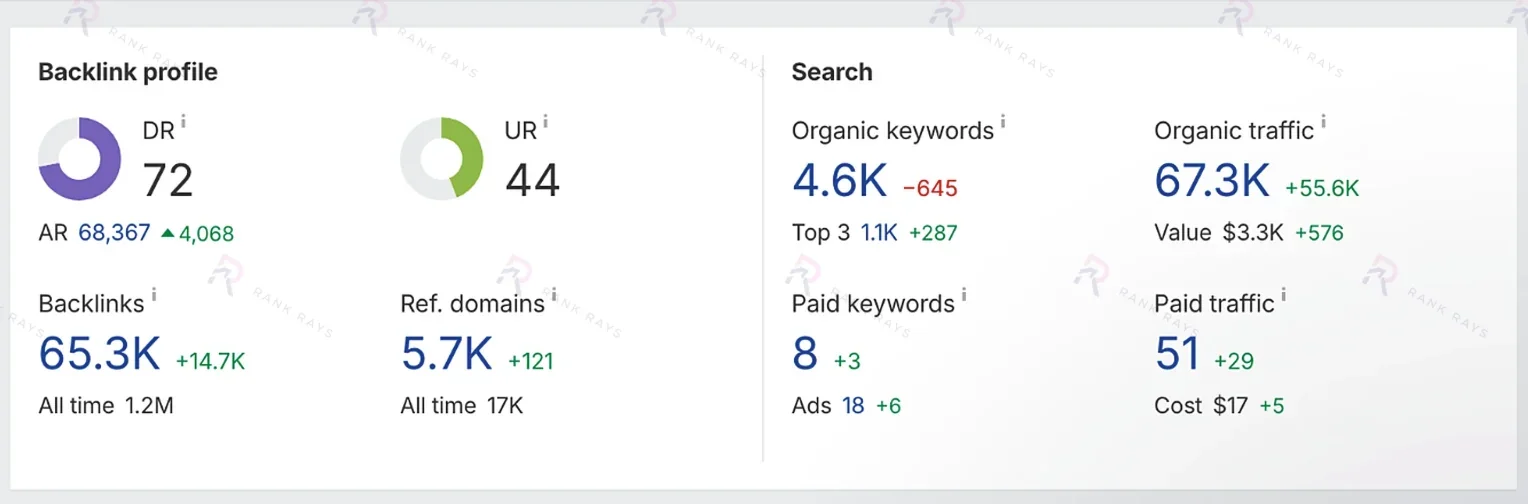
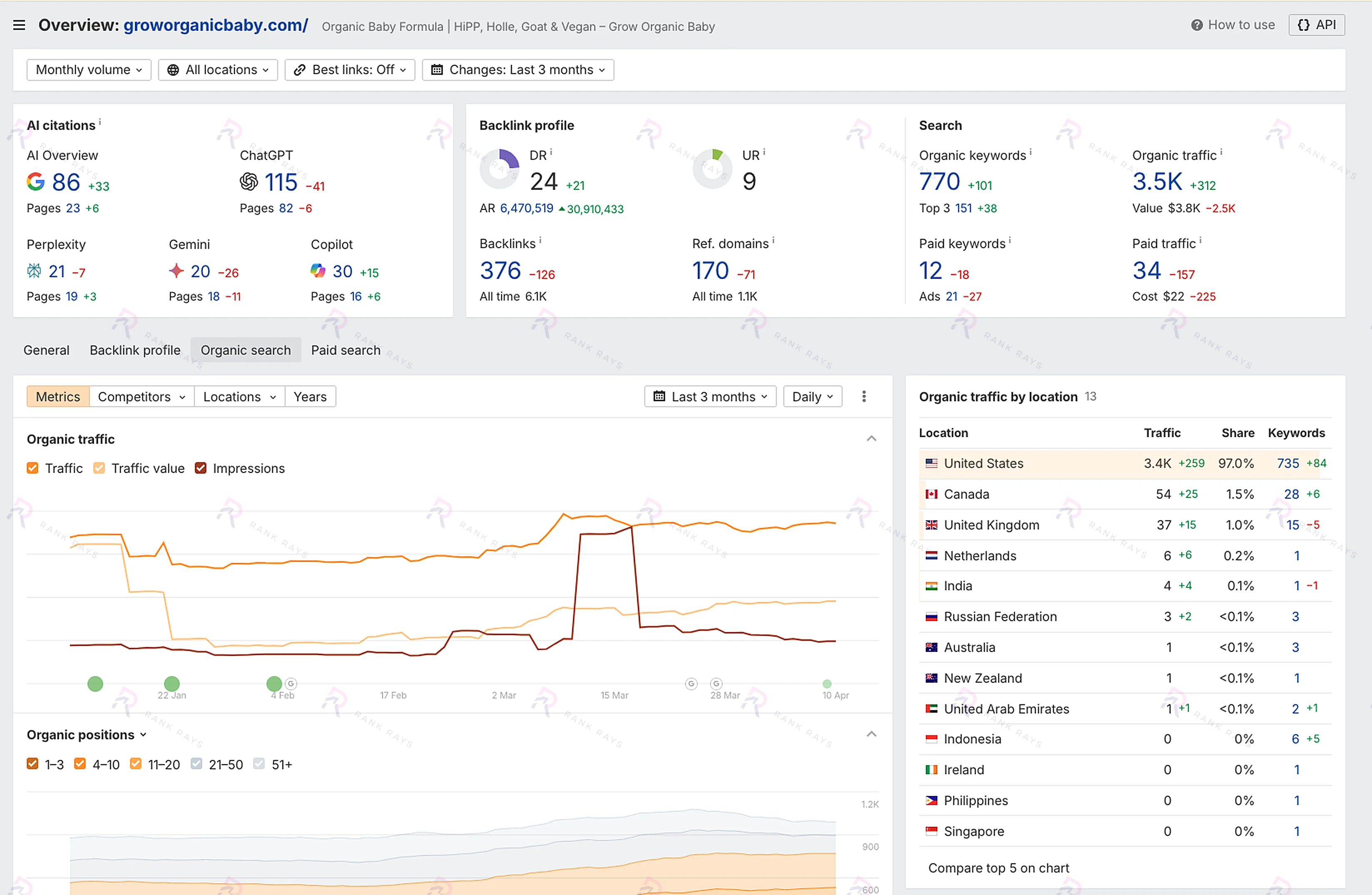
A few projects we're allowed to talk about, the problem, what we did, and what changed. Client names stay private; the numbers don't.
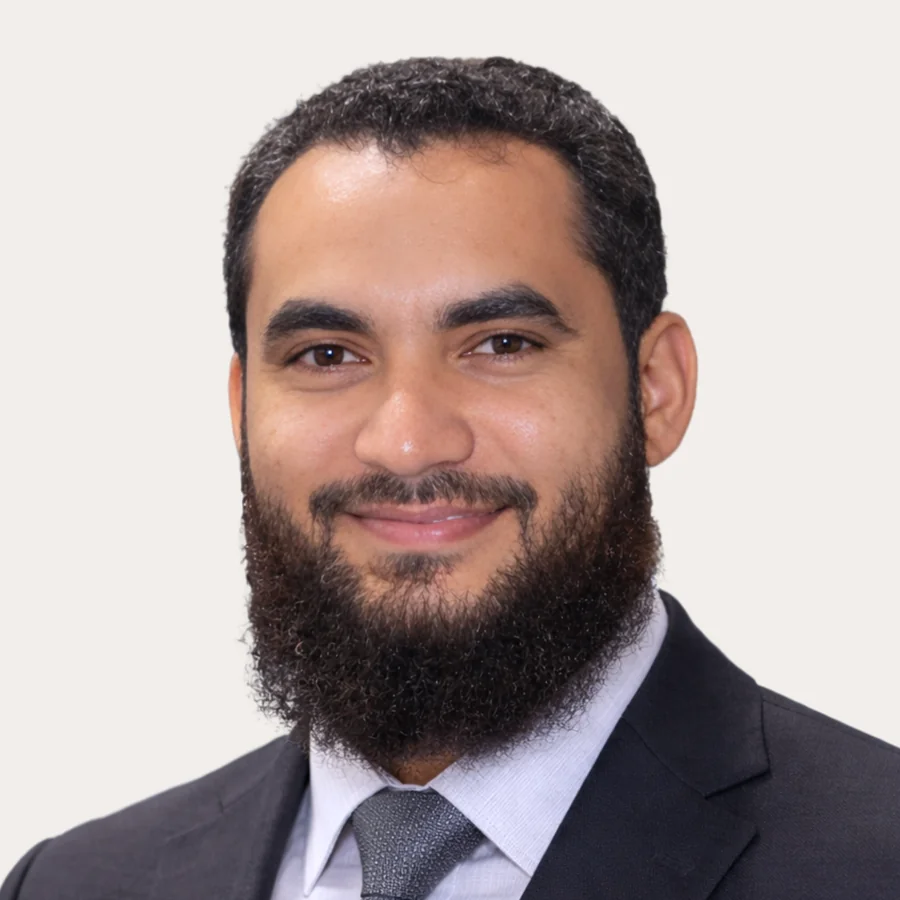
Muhammad Shakeel. Founder, Rank Rays. Doing SEO since 2013: 2200+ websites worked on with 95% client satisfaction and 500+ clients served. We do genuinely pitched multilingual outreach with content written in each target language, not translated, written. Ask me how we'd approach your market.