
By Muhammad Shakeel · Oct 5, 2026 · 11 min read
Wondering how long seo takes to show results? A realistic look at seo timelines by phase, with 5 ways to speed things up and 6 signs your campaign is on track.
It is the first question almost every business owner asks, and the hardest one to answer honestly: how long does SEO take? Anyone who gives you a date is guessing. Anyone who refuses to explain the factors is hiding. The truth sits in the middle, and it is more useful than either extreme.
This post gives you the honest version. You will learn the 8 factors that decide your SEO time frame, what a realistic SEO results timeline looks like in each phase of a campaign, 5 legitimate ways to move faster, 4 things that slow everything down, and how to tell whether your SEO is on track long before the big keywords move. If you have been wondering how long for SEO to work on your site, this is the no-nonsense answer.
The short answer
SEO usually takes months, not weeks, to show meaningful movement. How long it takes for SEO to work depends on where you start, who you compete with, and how much work goes in.
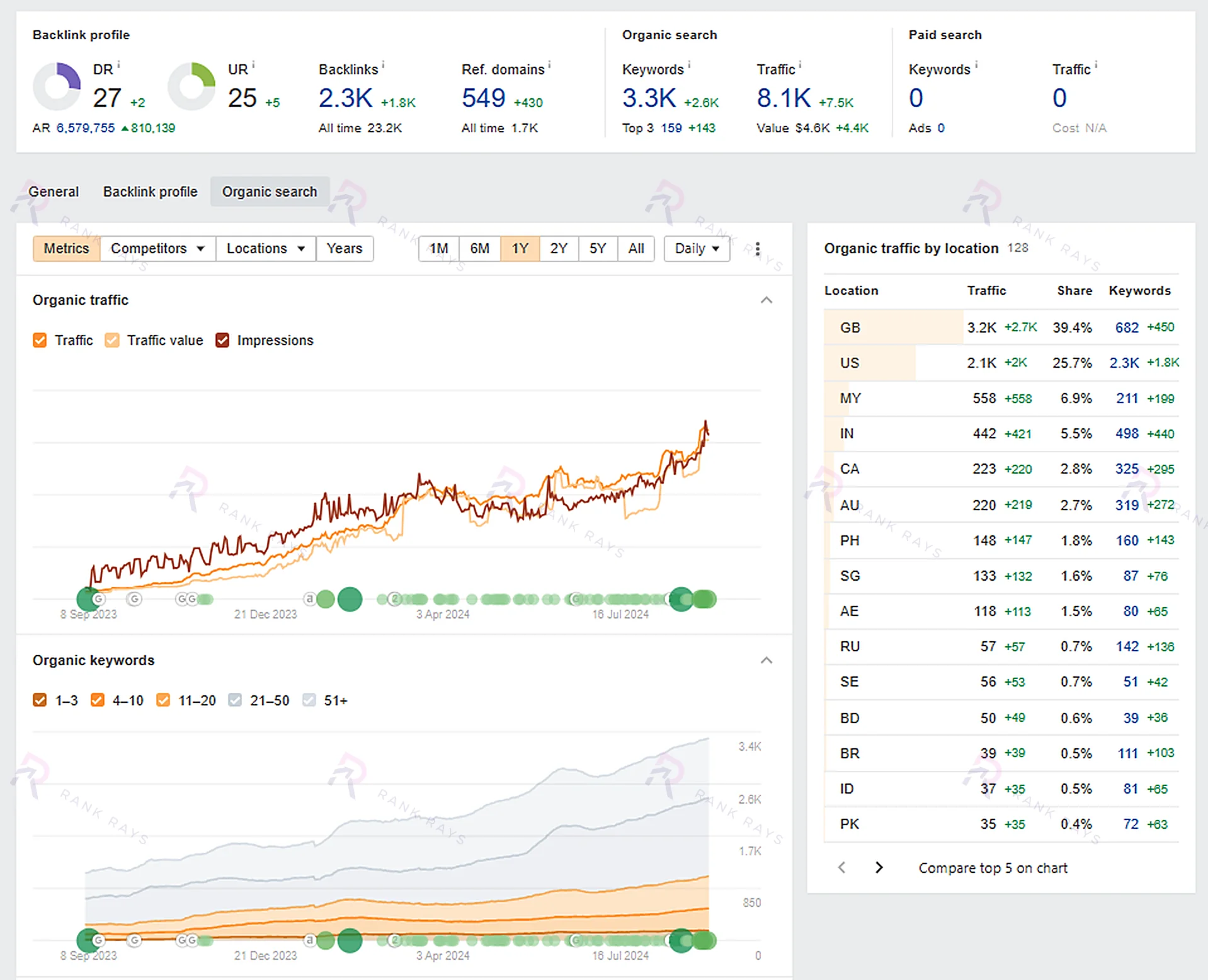
That sounds vague, but it is the only honest short answer. A 5-year-old site with good content in a quiet local market can move in a few months of focused work. A brand-new site in a competitive national market is playing a longer game. Everything below explains why, so you can place your own situation on the map instead of taking someone's word for it.
One note before we go further: this post talks about time in phases and typical patterns, not promises. No honest agency can tell you which month a keyword will rank. What they can tell you is what work happens when, and what signs show the work is paying off.
8 factors that decide your SEO results timeline

1. Your site's age and existing authority
Google trusts sites with history. An established domain with years of content and existing links gets new pages indexed and ranked faster than a domain registered last month. New sites spend their early months earning basic trust: getting indexed properly, publishing foundational content, and collecting their first real links. There is no shortcut around this. It is simply how new sites grow.
2. Your competition
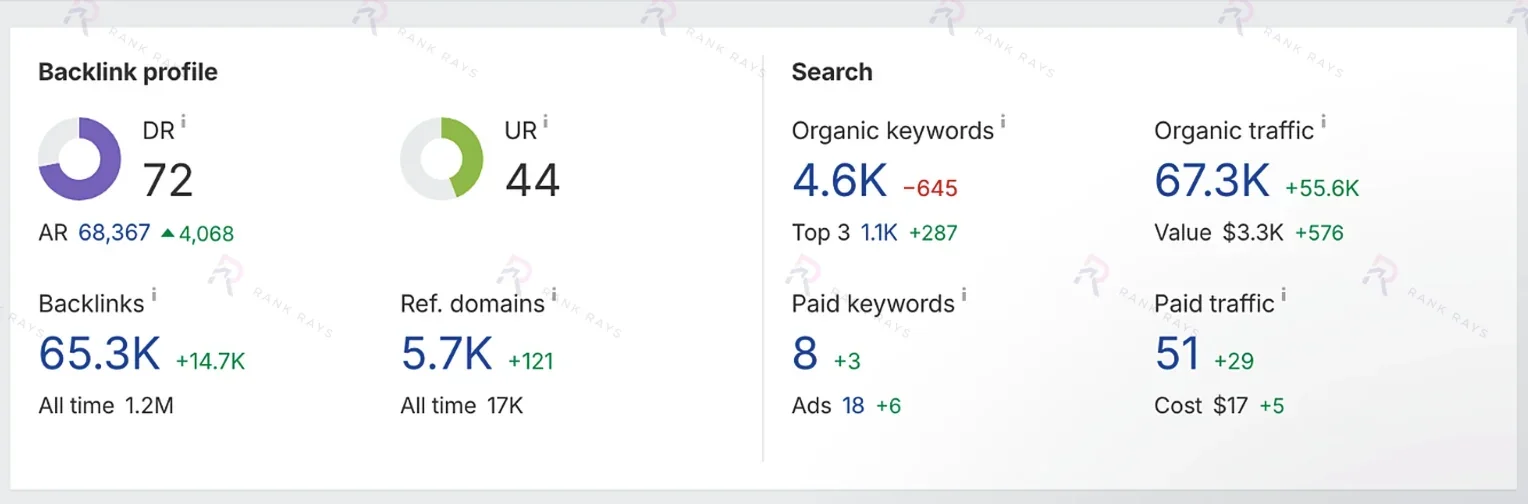
If the 10 sites ranking for your keywords have been investing in SEO for 5 years, catching them takes sustained effort. If they have thin content and weak links, the gap closes faster. Before any timeline talk, a serious agency studies who holds the rankings you want and what it would take to match them. Competitive markets take longer because the bar is higher.
3. The condition of your website
Technical problems act like brakes. If Google cannot crawl your pages properly, if your site is slow, if half your pages return errors, none of the content and link work matters until the foundation is fixed. Sites with heavy technical debt spend their first months on repairs. That time is not wasted. It is the work everything else stands on.
4. How much content you publish
Content is cumulative. Every useful page is another chance to rank, another entry point for visitors, another asset that earns links over time. A business publishing 8 pages a month builds its footprint 8 times faster than one publishing a single page. Content velocity is one of the few timeline factors you directly control.
5. Your link building pace
Links are votes of confidence, and Google counts them slowly and carefully. A steady stream of links from real websites builds authority month after month. There is no safe way to rush this: sudden spikes of low-quality links trigger filters, not rankings. Consistent outreach wins the long game.
6. Your monthly budget
Budget buys hours, and hours buy work. A campaign with 40 hours a month of technical fixes, content, and outreach simply moves faster than one with 10. This is the most straightforward factor on the list: more real work per month compresses the timeline, and what that work costs decides how much of it your budget buys. Less work stretches it.
7. Google's own cycles
Google discovers, crawls, and indexes pages on its own schedule. New pages can take days or weeks to appear in the index. Ranking changes roll out gradually as Google re-evaluates. Algorithm updates periodically reshuffle results. None of this is in your agency's control, and honest timelines leave room for it.
8. Your industry's search behavior
Some industries decide fast. Emergency services get calls from the first credible result. Others research for weeks: solar buyers, software purchasers, anyone spending serious money. Longer buying cycles mean SEO compounds differently, and the timeline should be judged against your industry's reality, not a generic benchmark.
What typically happens in each phase
Every campaign is different, but the shape of the work follows a pattern. Here is what an honest SEO results timeline usually looks like, phase by phase.

Phase 1: Audit and discovery (month 1)
The agency learns your site: technical crawl, content inventory, backlink profile, competitor analysis. Nothing visible changes yet. This phase feels slow and is the most important. Skipping it is how campaigns waste 6 months working on the wrong things.
Phase 2: Fixes and quick wins (months 2 to 3)
Technical problems get repaired: crawl errors, speed issues, broken redirects, missing titles and descriptions. Thin pages get improved. The first easy wins appear here: pages that were blocked or broken start performing once the obstacles are removed.
Phase 3: Building momentum (months 4 to 6)
New content goes live regularly. Outreach earns the first real links. Long-tail keywords, the specific 4 and 5-word phrases, start bringing traffic. The site's footprint grows every week. This is where the compounding starts, even if the big keywords have not moved yet.
Phase 4: Authority and scale (months 6 to 12)
With the foundation fixed and content accumulating, the campaign scales: more competitive keywords become realistic targets, link building reaches better publications, and the site's overall authority lifts every page. Progress here is steadier and more visible in the reports.
These are phases of work, not promises of results. The work in each phase is what you are paying for. How long does it take to rank on Google for your specific keywords depends on the 8 factors above, and the results follow the work on Google's schedule, not yours.
| Phase | Timeframe | What happens | What to expect |
|---|---|---|---|
| Phase 1: Audit and discovery | Month 1 | Technical crawl, content inventory, backlink profile, and competitor analysis. Nothing visible changes yet. | Feels slow, but it is the most important phase. Skipping it wastes months on the wrong things. |
| Phase 2: Fixes and quick wins | Months 2 to 3 | Crawl errors, speed issues, broken redirects, and missing titles fixed. Thin pages improved. | First easy wins: blocked or broken pages start performing once obstacles are removed. |
| Phase 3: Building momentum | Months 4 to 6 | New content goes live regularly. Outreach earns the first real links. Long-tail keywords start bringing traffic. | Footprint grows weekly and compounding starts, even if the big keywords have not moved yet. |
| Phase 4: Authority and scale | Months 6 to 12 | More competitive keywords become realistic targets. Link building reaches better publications. | Progress is steadier and more visible in the reports. |
5 ways to make SEO faster (without shortcuts)
You cannot cheat the timeline, but you can stop wasting it.
1. Fix technical problems first
Every week spent publishing content on a broken site is a week lost. Get the crawl, speed, and indexation right before scaling anything else. Technical fixes are the quickest way to get value from work that is already done, because they remove the obstacles sitting on top of it.
2. Approve content quickly
The most common delay in SEO campaigns is not Google. It is the client's review queue. Pages sitting in "pending approval" for 3 weeks are pages not ranking for 3 weeks. Set a review rhythm, 48 hours is plenty, and keep it.
3. Give your agency what it asks for
Access to the site, Search Console, analytics, brand guidelines, subject-matter time for interviews. Every missing input pauses the work. Agencies do not ask for things to bother you. They ask because the work needs them.
4. Fund enough hours
A campaign starved of hours moves at the speed of its budget. If the timeline matters to you, the fastest legitimate lever is more real work per month: more content, more outreach, more fixes. There is no substitute for hours.
5. Start before you need it
The businesses with the best SEO timelines started 6 months before they needed results. SEO rewards early starters enormously. If a busy season, a launch, or a redesign is coming, the time to start was yesterday. The second-best time is today.
4 things that slow SEO down
1. Constant strategy changes
Switching target keywords every month, redesigning mid-campaign, pausing and restarting. Every reset costs momentum. Pick a strategy and give it time to work.
2. Thin or stalled content
Publishing one page a month in a market where competitors publish 10 is bringing a spoon to a shovel fight. Content velocity has to match the ambition.
3. Ignoring the audit
Some businesses pay for an audit and then never implement the fixes. The audit is the diagnosis, not the treatment. Unfixed findings keep braking the campaign indefinitely.
4. Chasing shortcuts
Buying links, keyword stuffing, AI-spun content at scale. Shortcuts sometimes produce a quick spike, then a penalty, then months of cleanup. The fastest timeline is the one that never needs recovery.
How to tell if your SEO is on track
Big keywords move last. Judge progress by leading indicators:

- Technical fixes shipped. The audit findings are actually getting resolved, month after month.
- Pages indexed. New and fixed pages are appearing in Google's index.
- Content published. The agreed number of pages goes live on schedule.
- Links earned. Real links from real websites, with URLs you can check.
- Long-tail movement. Specific, low-competition phrases start ranking before the big ones do.
- Traffic trending up. Not spiking, trending. Slow and steady is the healthy pattern.
If these 6 are moving, the campaign is working, even if your main keyword has not budged yet. If none of them are moving after several months, something is wrong with the execution, not with SEO. That is the moment for a hard conversation with your agency: show me the work. A good agency will open the task list and walk you through it. An agency with nothing to show will change the subject.
One more thing worth knowing: progress is rarely a straight line. Algorithm updates, seasonal demand, and competitor moves cause wobbles. Judge the trend over 3 months, not the noise of any single week.
Frequently asked questions
Why does SEO take so long?
Because it is built on trust, and trust accumulates slowly. Google needs to crawl your pages, evaluate your content against competitors, and watch how users respond. Your competitors are also improving. SEO is a race where everyone runs, so pulling ahead takes sustained effort, not a single push.
Can a bigger budget make SEO faster?
Up to a point. More budget buys more hours: more content, more outreach, faster fixes. That genuinely compresses the timeline. But no budget buys Google's trust instantly. A new site with a huge budget still needs months of consistent signals. Money accelerates the work, not the waiting.
How long does SEO take for a brand-new website?
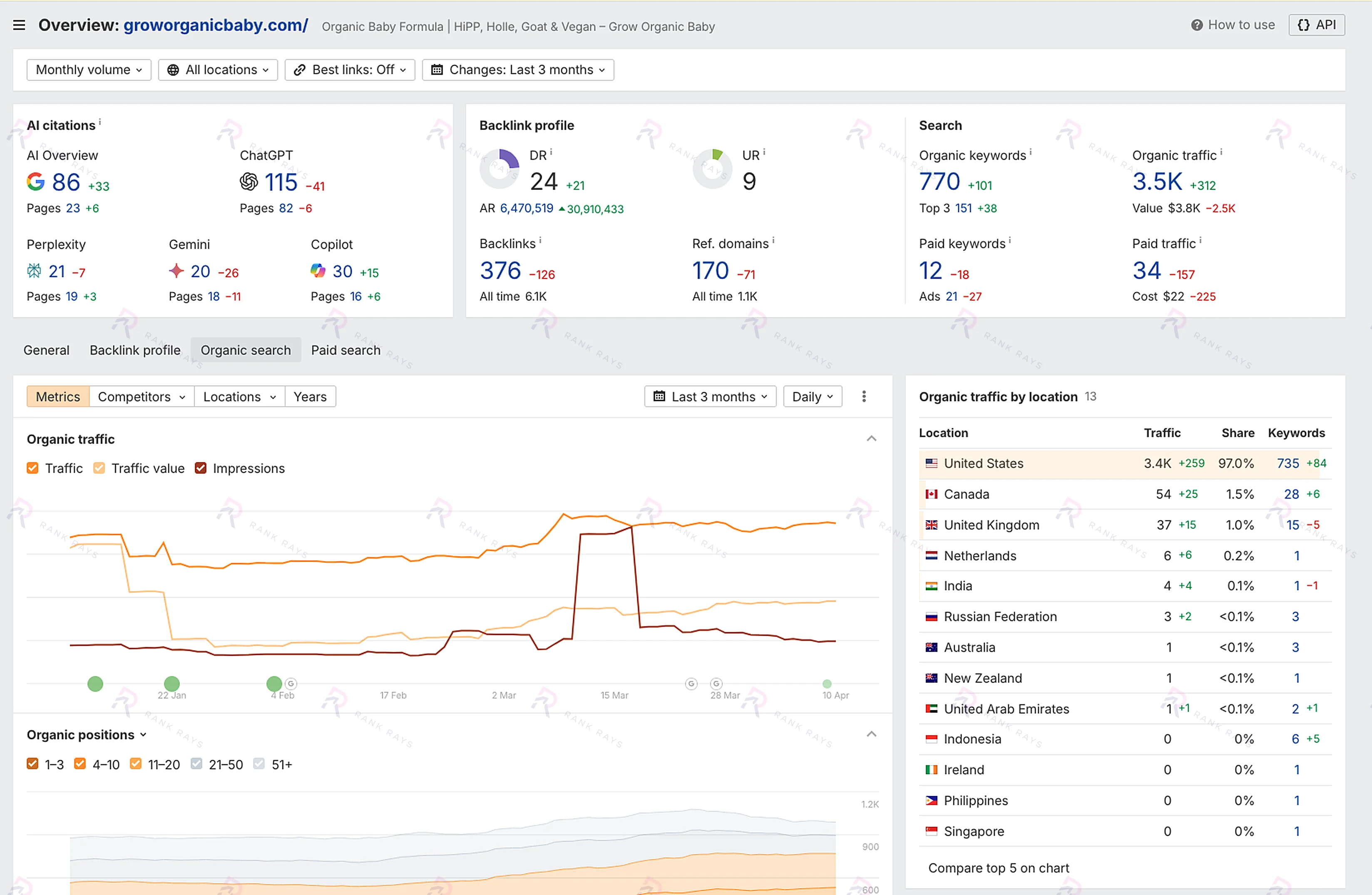
Longer than for an established one. New sites spend their first months on fundamentals: getting indexed properly, publishing foundational content, and earning their first links. Expect the early phases to focus on setup and quick wins, with compounding growth building from there. Patience in year 1 pays off for years.
How long does local SEO take?
Often faster than national SEO, because the competition is thinner. A local business in a small market with an optimized Google Business Profile, good reviews, and solid local pages can see movement relatively quickly. In a crowded metro market with aggressive competitors, the timeline stretches toward the national pattern.
Should I do anything while waiting for SEO to kick in?
Yes. SEO compounds, but it is slow at the start. Many businesses run paid ads for immediate visibility while SEO builds, then reduce ad spend as organic grows. The two channels work well together: ads buy today, SEO builds tomorrow.
Can SEO work in 30 days?
Real, lasting SEO cannot. Thirty days is enough for an audit, some technical fixes, and the first content going live, but not for Google to fully evaluate and reward that work. Anyone promising meaningful SEO results in 30 days is selling either ads mislabeled as SEO or shortcuts that will need cleaning up later. The only honest 30-day deliverable is a foundation: findings, fixes, and a plan.
What if my SEO shows nothing after 6 months?
First, check the leading indicators above, not just your main keyword. If fixes shipped, content published, and links earned are all flat, the problem is execution: confront the agency or replace it. If the indicators moved but rankings did not, the strategy may be wrong: targeting keywords far above the site's weight, or competing in a market that needs more effort than the budget funds. Either way, 6 months of honest work leaves a visible trail. No trail means no work.
The bottom line
How long SEO takes is the wrong question to obsess over. The right question is whether real work is happening every month: fixes shipped, pages published, links earned. Timelines follow effort. Effort you can verify in the report is effort that compounds.
If you want a campaign with a clear phase plan and honest reporting from month 1, get a free quote. We will tell you what your timeline actually depends on.
Want this done for your site?
Reading helps, but rankings come from doing. Request a free SEO audit and our team will look at your actual site.